
Call West Village Dental Clinic about root canal therapy today!
Relieves discomfort and pressure caused by infection
Saves your natural tooth
Prevents spread of infection
Restores chewing and speaking comfort
Improves oral and overall health
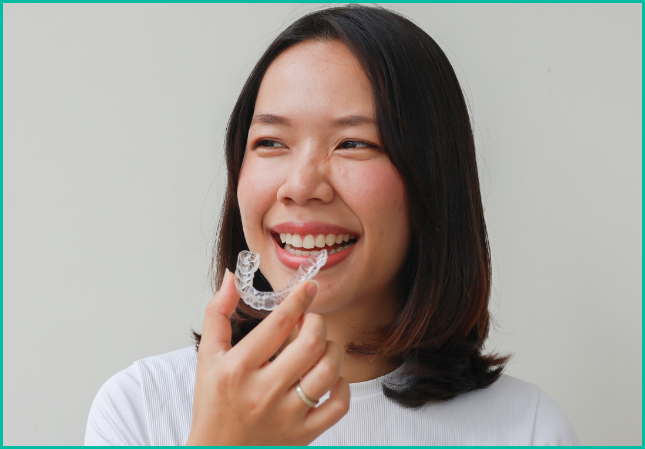
Root canal therapy in Toronto is a common dental procedure used to treat infection inside a tooth and preserve the natural structure whenever possible. If you are experiencing persistent tooth discomfort or sensitivity, root canal treatment is designed to help prevent the infection from worsening. At West Village Dental Clinic in Toronto, we aim to make every visit clear, calm, and well-explained so you understand each step of your care.
Inside every tooth is a soft tissue called the pulp, which contains nerves and blood vessels. Infection or inflammation in this area may develop due to deep decay, trauma, cracks, or repeated dental procedures. When the pulp becomes infected, bacteria can spread through the root and surrounding tissues.
Root canal therapy in Toronto is created to remove infected tissue, disinfect the inner space of the tooth, and seal it to help prevent future issues. By treating the infection early, you reduce the chances of complications such as abscess formation or eventual tooth loss.
You may benefit from an assessment for root canal treatment if you experience:
These symptoms do not confirm that a root canal is necessary, but they do indicate a need for evaluation.
While Waiting for Your Appointment
After Your Root Canal Treatment
He did a double root canal on me a few years ago and did a great job. I was pain-free the whole time.
– Theresa M.
I’ve been several times at West Village Dental Clinic for teeth cleaning, root canal, and filling treatment. I highly recommend the clinic.
– Marina G.
Very positive and professional service today. Thank you to Dr Triassi and staff at West Village Dental Clinic!
– Nella L.
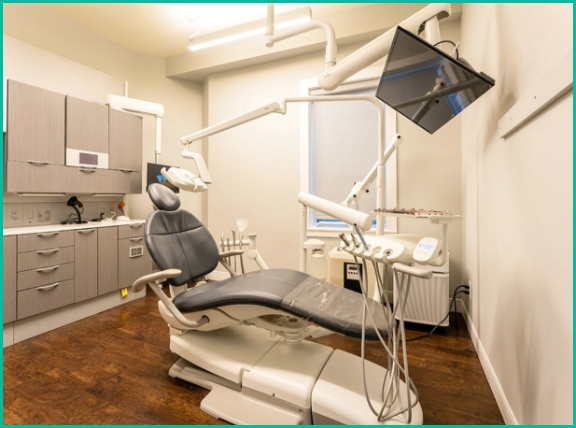
Located in the heart of Toronto, our friendly team offers personalized, soothing dental care. Learn more about our team and values.
We’re here to help you smile with comfort and confidence again!
Call West Village Dental Clinic to schedule your root canal therapy in Toronto.
A filling is usually appropriate for smaller areas of decay, while root canal therapy in Toronto is considered when the inner pulp becomes infected. Because symptoms can overlap, an exam and X-ray are designed to be an effective way to determine the right treatment. Our dentist will explain the findings and review each option so you understand the recommended approach. Have questions? Reach out at (416) 652-7590.
A dental root canal treatment often takes one or two appointments, depending on the tooth and the complexity of the infection. Each visit generally lasts under two hours. Our dentist will outline the expected timeline, including whether a crown is recommended afterward. Planning ahead can ensure you feel prepared and know what to expect at each stage.
Local anesthesia is utilized to help keep you feeling at ease during the procedure. We also offer nitrous oxide sedation designed to help patients feel calm. Mild soreness is possible for a short time as the surrounding tissues settle. Over-the-counter pain relievers and oral care can help manage this well, and our dentist will provide personalized guidance. Have aftercare questions? Call us at (416) 652-7590.
A tooth infection may worsen over time if left untreated. The infection can spread to surrounding tissues and increase discomfort. Early treatment is designed to help protect the tooth and reduce the likelihood of more complex care later. If you are unsure whether your symptoms indicate infection, scheduling an exam allows our dentist to assess the situation promptly. You can book one through our Contact page!
Most patients can resume normal activities the same day, depending on how they feel after the appointment. Numbing may last several hours, so eating and chewing should be approached carefully until sensation returns. If your job requires physical exertion, you may prefer lighter duties temporarily. Our dentist will recommend what is appropriate for your situation.