

Stress can affect more than your mood, sleep, and energy levels. It may also influence your oral health. Some people notice that they clench their teeth when concentrating, grind their teeth during sleep, or experience tension around their jaw during particularly stressful periods. Others may find that busy schedules make it harder to maintain consistent brushing, flossing, and dental appointment routines. Understanding how stress may affect your mouth can help you recognize changes early and decide when to seek professional advice. At West Village Dental in Toronto, regular dental care can help identify oral health concerns and provide guidance tailored to your needs.
Stress and Teeth Grinding
One possible effect of stress is bruxism, the medical term for clenching or grinding your teeth. This can happen while you are awake or asleep, and some people may not realize they are doing it. Repeated grinding or clenching can place extra pressure on the teeth and jaw muscles, potentially contributing to morning jaw soreness, headaches, tooth sensitivity, or discomfort when chewing. Over time, significant grinding may also contribute to worn tooth surfaces or damaged dental restorations. Stress is one possible contributing factor, but it is not the only one. Sleep-related conditions, certain medications, and other factors may also play a role. If you suspect that you grind or clench your teeth, mention your symptoms during a dental appointment. Your dentist can examine your teeth for signs of wear and discuss appropriate options based on your symptoms and oral health.
Jaw Tension and Facial Discomfort
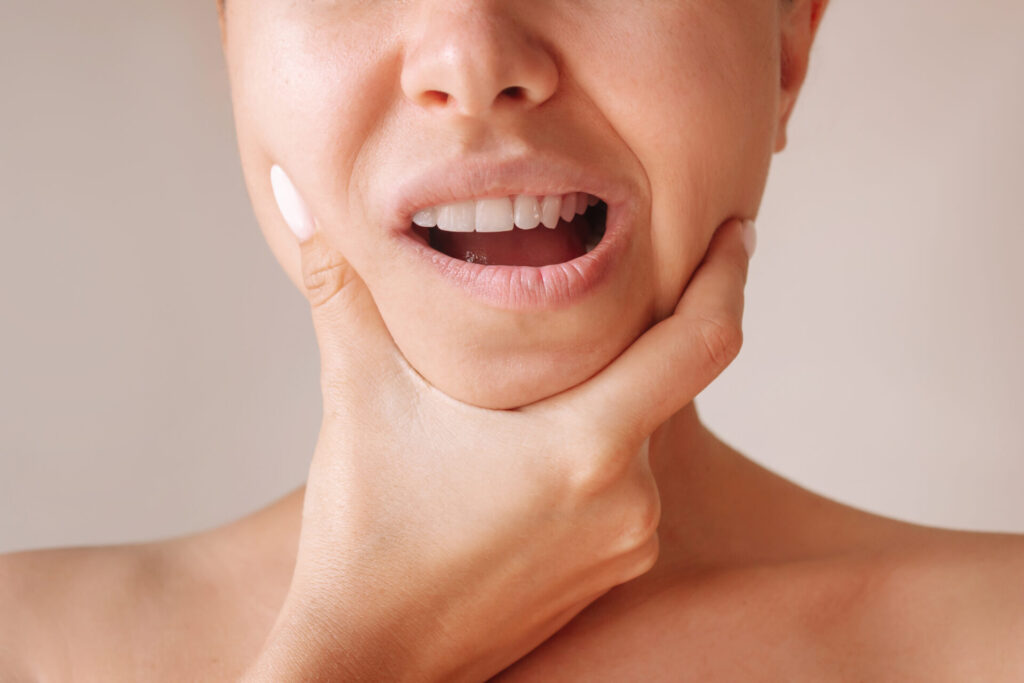
Have you ever noticed that your jaw feels tight after a demanding day? Some people unconsciously hold tension in their jaw muscles, clench their teeth, or tighten their facial muscles when concentrating or feeling under pressure. This may contribute to soreness around the jaw or temples, tired jaw muscles, discomfort when chewing, or headaches around the temples. Some people also experience clicking or popping sounds in the jaw. These symptoms can have several possible causes, including temporomandibular disorders, commonly called TMD. Stress may contribute to muscle tension or make existing symptoms more noticeable, but jaw discomfort should not automatically be attributed to stress. If symptoms persist, worsen, or interfere with eating or opening your mouth, arrange an assessment with your dentist to help determine whether a dental or jaw-related problem may be contributing.
Dry Mouth and Stress
Stress can sometimes be accompanied by a dry mouth sensation. Anxiety, changes in breathing, dehydration, and certain medications may contribute to this problem. Saliva plays an important role in oral health by lubricating the mouth, helping wash away food particles, and neutralizing acids produced by oral bacteria. When saliva production is reduced, the risk of tooth decay and other oral health problems may increase. Drinking water regularly throughout the day and maintaining consistent oral hygiene can help support your oral health. Sugar-free gum may also help stimulate saliva production when appropriate for your dental needs. If your mouth frequently feels dry, consider discussing it with your dentist or healthcare provider. Persistent dry mouth can have causes unrelated to stress, including medication side effects and certain medical conditions, so identifying the underlying cause is important.

When Stress Makes Oral Hygiene Harder
When life becomes demanding, everyday routines can be among the first things to slip. You may rush through brushing, skip flossing, snack more frequently, or postpone a dental appointment because your schedule feels overwhelming. These changes do not necessarily cause immediate dental problems, but inconsistent oral hygiene can allow plaque to accumulate and increase the risk of tooth decay and gum disease over time. Keeping your oral care routine simple and consistent can help you maintain healthy habits during busy periods. Brush twice daily with fluoride toothpaste, clean between your teeth daily using floss or another suitable interdental cleaner, and drink water regularly. Keeping up with recommended dental appointments is also important. If it has been a while since your last visit, professional dental checkups and cleanings can help assess your oral health and identify areas that may need attention.
When Should You See a Dentist?
Occasional tension during a stressful period does not necessarily indicate a dental problem. However, persistent symptoms deserve attention, particularly if they affect your comfort or daily activities. Repeated jaw soreness, headaches accompanied by jaw tension, tooth sensitivity, unexplained tooth wear, pain when chewing, frequent dry mouth, or difficulty opening your mouth comfortably are all reasons to consider a dental assessment. You should also seek prompt dental advice for significant or worsening tooth pain, a broken tooth, or facial swelling. Facial or neck swelling accompanied by difficulty breathing or swallowing requires immediate emergency medical care. A dental examination can help distinguish between symptoms associated with grinding, dental damage, gum problems, and other conditions that may require different treatment approaches. If you need urgent attention, West Village Dental provides emergency dental care for patients experiencing dental concerns.
Protecting Your Smile During Stressful Periods
Stress is a normal part of life, but its effects on your oral health are worth paying attention to. Recognizing habits such as teeth clenching, maintaining a consistent home care routine, and seeking advice when symptoms persist can help protect your teeth and gums. Small, consistent steps can make oral health easier to manage, even when other responsibilities compete for your attention. At West Village Dental, we provide preventive and family dental care in Toronto, with an emphasis on personalized treatment and helping patients understand their oral health needs. Regular visits allow your dental team to monitor changes and discuss concerns before they become more difficult to manage. If you have noticed jaw tension, possible teeth grinding, or other changes in your oral health, contact West Village Dental to arrange an appointment.